When you buy a property in the UK, you are not just purchasing the building – you are also buying a form of legal ownership. That ownership takes one of two forms: freehold or leasehold. Understanding the difference, and what freehold means in practice, is essential reading for any buyer.
Related: Purchase rental property: Your guide to buying your first investment
What is freehold property ownership?
When you own a freehold property, you own both the building and the land it sits on — outright and indefinitely. There is no time limit, no landlord above you, and no ground rent to pay. The property is yours to use, alter, and pass on as you see fit, subject to planning law and any restrictive covenants attached to the title.
Freehold vs leasehold: key differences
With a freehold property, you own the building and land permanently and are responsible for all maintenance, but you answer to no one in how you occupy or manage it.
With a leasehold property, you own the right to occupy for a fixed term while the freeholder retains ownership of the land and building. You may be required to pay ground rent and service charges and obtain permission before making alterations.
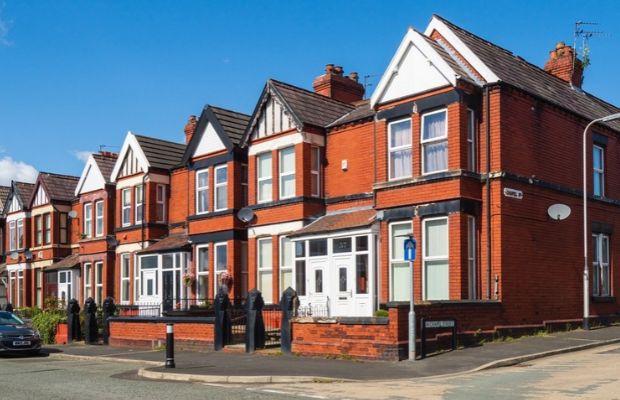
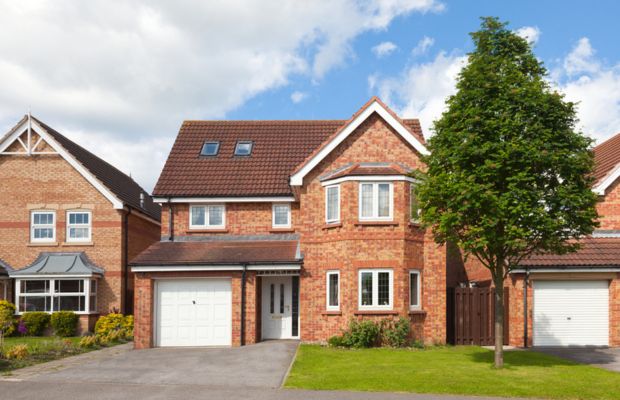
Flats are almost always leasehold. Houses are most commonly freehold.
Related: What is ground rent?
Advantages of freehold ownership
No ground rent or service charges: Your ongoing costs are entirely within your control.
No lease to worry about: Leasehold properties can lose value as the lease shortens. With freehold, that concern does not exist.
Freedom to make alterations: Subject to planning permission, you can extend or renovate without a landlord’s consent.
Simpler to sell: Buyers and solicitors do not need to review a lease, check the remaining term, or investigate service charge accounts.
Disadvantages of freehold property
Full maintenance responsibility: If the roof needs replacing or structural work is required, the cost is entirely yours.
Restrictive covenants: Many freehold titles carry legal restrictions on use or alterations that pass to every new owner.
Boundary disputes: Disagreements with neighbours over fences and land boundaries can be time-consuming and costly to resolve.
Costs associated with freehold properties
Buying freehold involves the same core costs as any purchase: stamp duty land tax, solicitor’s fees, survey costs, and mortgage arrangement fees. If you are buying an additional property, the higher stamp duty surcharge rate applies.
Ongoing costs include buildings insurance and maintenance. There are no service charges or ground rent.
Related: Stamp duty on second homes: what buyers need to know
Buying a freehold property: what to check
Before exchanging contracts, your solicitor should investigate the title register and plan, any restrictive covenants, rights of way and easements, search results covering planning history and flood risk, and whether correct consents exist for any previous alterations.
Mortgages and freehold properties
Lenders generally favour freehold properties as clean, straightforward security with no lease complications. Arranging a mortgage on a freehold house is typically more straightforward than on a leasehold flat, and most standard residential mortgage products are available without restriction.
Freehold property for first-time buyers
For first-time buyers, freehold is often the simplest route into ownership. There is no lease to understand, no service charge history to review, and no risk of a diminishing tenure complicating your mortgage or future sale. If your budget allows for a house rather than a flat, freehold removes several layers of complexity from both the purchase and your long-term ownership experience.
Related: How do I find houses for sale near me?
Freehold ownership for buy-to-let investors
Freehold houses are straightforward to manage as buy-to-lets. The absence of service charges and ground rent improves net returns compared to a leasehold flat with similar headline rent. You can also alter or extend the property without a freeholder’s consent, and freehold houses attract a broader pool of buyers at exit — including owner-occupiers.
Can a leasehold be converted to freehold?
In many cases, yes. Leaseholders in England and Wales have the legal right to purchase the freehold through a process called enfranchisement. It requires a formal legal notice, a valuation, and negotiations with the current freeholder. It can be time-consuming and requires specialist legal advice, but for many leaseholders it is a worthwhile long-term investment.
Is freehold right for you?
For most buyers, freehold offers clean, straightforward ownership with no lease expiry and no third-party involvement in how you manage your property. The right choice still depends on your circumstances, budget, and intended use, but understanding what you are buying before you commit is what matters most.
If you are considering a freehold property purchase or need tailored property guidance, speak to your local Ellis & Co. branch. Our team can guide you through the process from first viewing to completion.