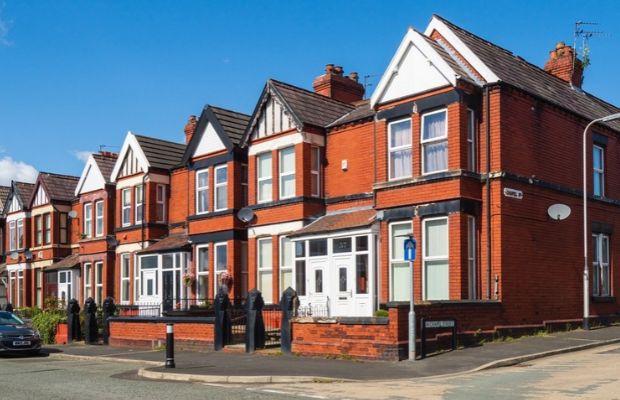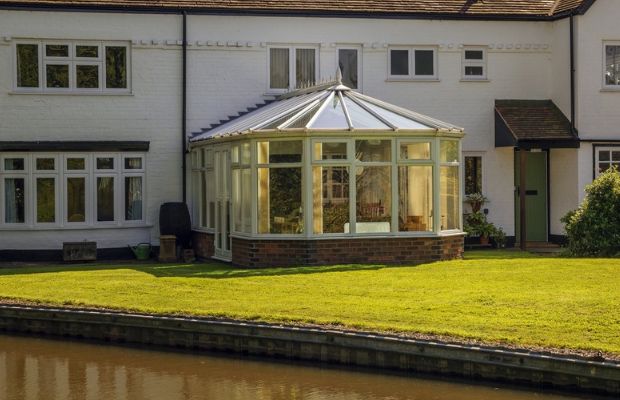
When you’re preparing to sell, you’ll hear a lot about “comparable evidence” and “comparable sales.” It might sound technical, but it’s fairly straightforward. Essentially, it’s the evidence professionals use to work out what your home is worth by looking at what similar properties nearby have recently sold for. Understanding how this works helps you feel confident in any valuation you receive.
Related: Tips for preparing your home for sale
It comes down to one simple principle
Here’s the fundamental idea: a buyer won’t pay more for your home than they’d pay for a similar property elsewhere, it‘s called the principle of substitution. If three identical homes on your street sold recently for similar prices, a buyer isn’t going to significantly overpay for yours – no matter how much you’ve invested or what you hope to achieve. This is what keeps valuations grounded in reality rather than wishful thinking.
How RICS surveyors do it
When a registered RICS surveyor values your property, they follow a methodical process grounded in evidence rather than relying on subjective opinion. They identify properties in your area that are genuinely similar – matching type, age, size, and condition. They then research the circumstances of each sale: were properties sold at market terms or under pressure? How long were they marketed? What was the broader market sentiment at the time? These details shape how comparable each sale is.
The surveyor then adjusts for differences between those comparable properties and yours. Perhaps a similar property nearby has a modern kitchen while yours needs updating – that warrants adjustment downward. However, if that property lacks off-street parking but yours includes it, that’s adjusted upward. Making these adjustments requires professional judgment grounded in market experience. The entire process is documented, ensuring the valuation can be explained and defended if questions arise.
Related: Common mistakes to avoid when selling your home
Timing and location matter more than you’d think
Recent sales carry much more weight than older ones. A property that sold three months ago tells you far more about your market right now than something that sold a year ago. Markets move, conditions change, buyer preferences shift. Properties sold in a rush or with unusual circumstances (divorce, relocation, financial pressures) also tell a less reliable story than normal sales.
Where you are matters hugely too. A property on your street is a much more reliable comparison than an identical property two miles away. Even within the same postcode, some streets are more desirable than others. Buyer preferences vary by neighbourhood, and that directly affects value.
What drives property value
Beyond the comparable evidence, lots of factors influence what buyers will pay. Location is everything – proximity to schools, transport links, shops, and jobs all count. A property with views over a park will almost always be worth more than one overlooking a car park.
The condition and layout matter considerably. Modern energy-efficient boilers and insulation appeal to buyers. A well-designed, proportionate layout typically sells for more than a rambling property of the same size. Gardens with good aspect and established landscaping are worth noticeably more than neglected outdoor space.
Then there’s the title – conservation designations, covenants, rights of way, building regulation approvals, boundary disputes. These aren’t as obvious as structural issues, but they genuinely affect what buyers will pay.
Related: What not to fix when selling a house
Understanding professional valuations
Estate agents provide marketing advice based on local knowledge and recent activity – they estimate what price might attract buyers to list your property. This serves a useful purpose for marketing strategy and positioning your home in the market.
Professional RICS valuations serve a different purpose. They’re independent, formally documented assessments conducted by regulated surveyors bound by the Red Book standards. RICS valuers assess what the property is likely worth based on systematic comparable analysis, property condition, and market evidence. These valuations carry weight with mortgage lenders and courts because they follow rigorous standards designed to ensure consistency, accuracy, and transparency. The fundamental difference is in purpose: one guides marketing, the other provides objective professional assessment.
You can research comparable data yourself
HM Land Registry publishes actual sale prices. Online portals show asking prices and sometimes sold prices. Estate agents have detailed local records. So you can absolutely do some research yourself. Just remember that interpreting the data requires professional judgment – understanding why properties sold at certain prices, spotting the genuinely comparable ones, making appropriate adjustments. Self-research is helpful for getting market awareness, but it shouldn’t replace professional analysis.
Common mistakes sellers make
People sometimes compare their property to dissimilar homes in different areas or focus on asking prices rather than actual sold prices. Overlooking that a nearby “nicer” property might have sold quickly due to urgent circumstances, or that a recently renovated home genuinely differs from one needing work.
If you disagree with a valuation
Ask your surveyor to explain the comparable evidence they used. What properties did they analyse? Why were they comparable? What adjustments were made and why? If you believe the valuation is wrong, comparable evidence is your best tool for discussion. Research recent genuine comparables in identical locations, document them carefully, and present your analysis professionally. Surveyors respect challenge backed by solid evidence.
Getting the valuation right matters. Market-based valuations attract serious buyers. Overpriced properties create problems and disappointment. Comparable evidence keeps things real and helps you price confidently.
For guidance on comparable evidence and valuation when selling your home, speak with your local Ellis & Co branch about getting a professional assessment of your property.