You’ve decided to sell your house. Maybe you’re upsizing, downsizing, relocating for work, or simply ready for a change. Whatever your reason, one question is crucial: where do I start?
It’s a fair question. Selling a house involves quite a few steps, and if you’ve never done it before, the whole process can feel overwhelming. In this guide, we break it down into a manageable journey.
Related: The costs of selling your home in the UK
Getting your house ready to sell
Before you do anything else, take a good look at your property through a buyer’s eyes. You don’t need to spend thousands on renovations, but a bit of TLC goes a long way.
Start with a thorough clean. Pay special attention to kitchens and bathrooms – these rooms can make or break a viewing. Fix any obvious issues like dripping taps, cracked tiles, or scuffed paintwork. Tidy the garden, clear away clutter, and consider a fresh coat of neutral paint if your walls are looking tired.
You want viewers to imagine themselves living there, not be distracted by your personal belongings or put off by maintenance issues.
Related: Home staging secrets that can make your property stand out
Understanding what you need before you list
You’ll need an Energy Performance Certificate (EPC) before you can put your house up for sale. This rates your property’s energy efficiency and is a legal requirement. Most estate agents can arrange this for you, or you can book one independently.
You should also gather important documents like your title deeds, building regulations certificates for any work you’ve had done, and guarantees for things like your boiler or windows. Having these ready speeds things up later.
Related: Why does my home’s EPC rating matter
Choosing your route: Estate agent or DIY?
This is where paths diverge. You’ve got two main options when deciding how to sell your house, and each has its pros and cons.
Going with an estate agent
Most people choose to sell their house through an estate agent, and there are good reasons why. Estate agents handle the marketing, arrange professional photos, conduct viewings, negotiate with buyers on your behalf, and guide you through the process from start to finish.
They’ve got access to major property portals where most buyers start their search, and they understand the local market inside out. A reputed local estate agent knows what buyers in your area are looking for and how to price your property competitively.
Related: Should I use multiple agency agreements
Selling your home without an estate agent
If you want to sell your house and keep more of the proceeds, selling privately is an option. You’ll handle everything yourself – the pricing, photography, advertising, viewings, and negotiations.
This approach works best if you already have a buyer lined up, perhaps a family member or neighbour. Or if you’re confident in your ability to market the property and manage the process yourself.
The reality? It’s a fair bit of work. You’ll need time to arrange viewings around your schedule, field questions from potential buyers, and negotiate directly. You also won’t have access to the major property portals unless you pay a third-party service to list you.
Online property portals offer a middle ground – you pay a fixed fee for professional listings on major property portals, then handle much of the work yourself including photos, viewings, and buyer enquiries.
Related: House selling timeline: what to expect
The fast cash sale option
Sometimes life throws curveballs and you need to sell quickly. Maybe you’re facing financial pressure, going through a divorce, or have inherited a property you don’t want to keep.
Cash house buying companies can purchase properties quickly, sometimes within days. They buy houses in any condition, handle all the paperwork, and don’t require viewings or lengthy negotiations. However, their offers typically reflect a quick, guaranteed sale rather than top price.
This route makes sense when speed and certainty matter more than getting the absolute best price. Just make sure any company you use is registered with relevant industry bodies for your protection.
Related: Why auctions can be perfect for a quick property sale
What happens after you accept an offer
Once you’ve found a buyer and agreed a price, the legal work begins. You’ll need a solicitor or conveyancer to handle the transfer of ownership. They’ll deal with contracts, searches, and all the legal requirements.
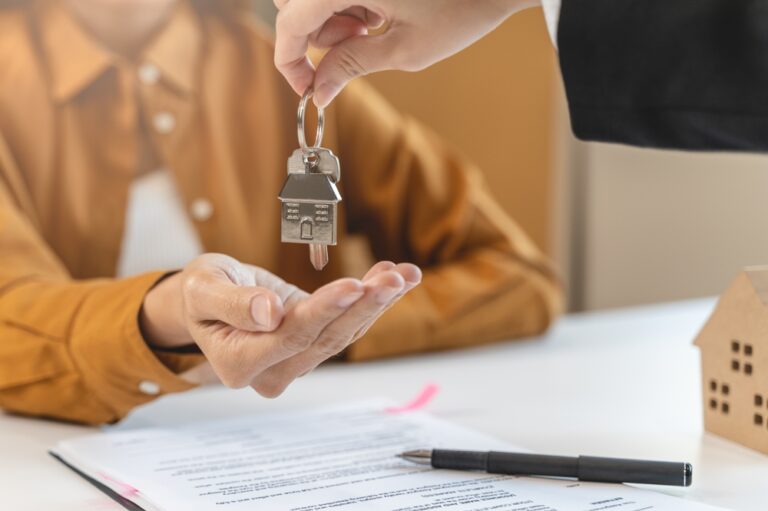
The buyer’s solicitor will carry out various checks, your solicitor will prepare contracts, and eventually you’ll exchange contracts – the point where the sale becomes legally binding. Completion typically follows a week or two later, when the money changes hands and you hand over the keys.
Related: Offer accepted- what happens next?
The truth about timescales
If you’re wondering how long it will take to sell your house, the answer is: it depends. Traditional sales through estate agents typically complete within a few months, giving you time to find the right buyer at the best price. Quick cash sales can complete in days or weeks. Private sales sit somewhere in between, depending on how quickly you find a buyer.
Making the right choice for you
There’s no single “right” way to sell your home. The best approach depends on your circumstances, timeline, and priorities.
Contact your local Ellis & Co branch for expert advice on your property’s value, current market conditions in your area, and guidance on the selling process that’s right for you.