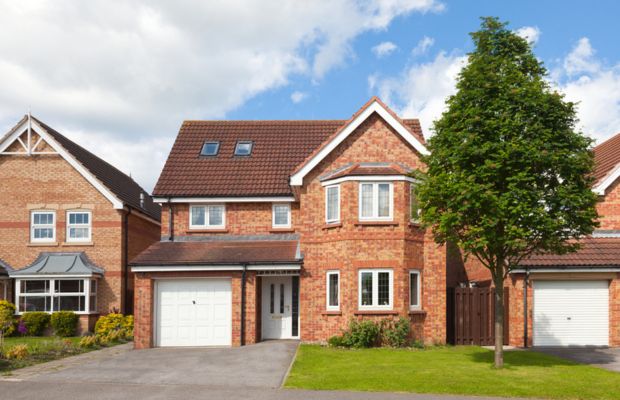
An annexe can be one of the most rewarding additions to a home. Whether it’s a space for an ageing parent, a retreat for a teenager, or somewhere for guests to stay, an annexe lets families live together while keeping their independence.
If you’re weighing up whether one is right for your property, understanding how they work and what rules apply will help you plan with confidence.
Related: Inspiring loft conversion ideas to transform your home
What is an annexe building?
An annexe is a self-contained living space within the grounds of an existing home. It usually includes its own kitchen or kitchenette, a bathroom, a sleeping area, and living space, so someone can live there independently. Some annexes are attached to the main house, while others are separate buildings in the garden.
What sets an annexe apart from a simple outbuilding is how it’s used. A garden office, gym, or hobby room isn’t an annexe because it isn’t designed for independent living. Once a building has its own kitchen, bathroom, and sleeping quarters, it becomes self-contained accommodation, which changes how the rules apply.
Related: Are home improvements worth it?
Why do homeowners build an annexe?
The most common reason is multi-generational living, where an older relative moves closer while keeping their own front door and privacy. This gives everyone the best of both worlds: support when it’s wanted, and independence when it’s not.
Annexes also suit growing families, giving a teenager or adult child their own space, and others use one as guest accommodation, a home office, or a way to generate rental income.
Different types of annexes
An attached annexe connects to the main house, often through a converted garage, side extension, or adapted part of the existing building, which works well where garden space is limited. A detached annexe is a separate building in the grounds, giving greater privacy and independence, and garden annexes have become increasingly popular. There are also modular and portable annexes, built off-site and installed in the garden, which can be quicker to put in place and sometimes need less substantial foundations.
Related: How to make money from property?
What should an annexe include?
For a building to count as a true annexe, it needs the features that make independent living possible: a kitchen or kitchenette, a bathroom with a toilet, a sleeping area, and living space. Good design matters too, so proper insulation, heating, and ventilation are worth prioritising, along with level access if the annexe is intended for an older or less mobile relative.
Do you need planning permission for an annexe?
In most cases, yes. According to the Planning Portal, whether you need a planning application depends on the size and placement of the annexe and how it will be used. A self-contained annexe used as separate living accommodation almost always needs full planning permission, while a building genuinely incidental to the main house may fall under permitted development, provided it meets the size, height, and position limits.
Building regulations approval is also needed to make sure the annexe is safe, sound, and energy efficient. Check with your local planning authority early, particularly if your home is in a conservation area or is listed.
Related: The artisan advantage: How boutique rentals are leading the way
Can you rent out an annexe?
You can, but there are a few things to understand first. The original planning permission may include conditions about how the annexe can be used, and some are approved specifically for family members, so checking your permission is the sensible starting point.
If a self-contained annexe is treated as a separate dwelling, it will have its own council tax band, set by the Valuation Office Agency. Rental income is taxable, and since April 2025 all holiday lets are taxed in the same way as normal rental income, so speak to your local council and a tax adviser before you let the space.
Related: Making Tax Digital from April 2026: The new Income Tax rules landlords should prepare for
Does an annexe increase property value?
A well-built annexe can make a property more appealing, especially as more buyers look for flexible space for family or working from home. Zoopla has highlighted how self-contained annexes attract multi-generational buyers looking for a home-within-a-home. The value added depends on the annexe’s quality, how well it’s integrated with the main home, and demand in your local area.
How much does an annexe cost?
The cost varies widely depending on size, whether it’s attached or detached, the materials used, and the level of finish. Because prices differ so much from project to project, the best approach is to get at least three quotes from reputable builders, which gives you a realistic picture and helps you compare what’s included. Remember to budget for planning fees, building regulations, and connecting services such as water, drainage, and electricity.
Annexe vs extension: what’s the difference?
An extension adds space to your existing home, becoming part of the main living area. An annexe, by contrast, is self-contained, with its own kitchen, bathroom, and entrance, allowing someone to live there independently.
If you want more room within your home, an extension makes sense. If you want independent accommodation for a relative, guest, or tenant, an annexe is the better fit.
Common questions about annexes
Is an annexe classed as a separate dwelling?
It can be. If an annexe is fully self-contained, with its own kitchen, bathroom, and independent access, it may be treated as a separate dwelling for council tax and receive its own band from the Valuation Office Agency. An annexe used as part of the main home by a family member may qualify for a discount instead.
Do you pay council tax on an annexe?
Usually, yes, but the amount varies. A self-contained annexe generally has its own council tax band. A 50% discount may apply where it’s lived in by an immediate family member, and some annexes can be exempt, so check what applies to yours.
Can you build an annexe without planning permission?
Only in limited circumstances. A structure genuinely incidental to the main house, with no independent living accommodation, may fall under permitted development. Once it becomes self-contained living space, full planning permission is almost always required. A Lawful Development Certificate can confirm whether your project is lawful before you begin.
Planning your annexe
An annexe is a significant project, but with the right preparation it can transform how your family lives. Clarify how you’ll use the space, check the planning and building regulations that apply, and get professional quotes so you understand what’s involved.
If you’re thinking about adding an annexe to your home, or wondering how one might affect your property’s value, speak with your local Ellis & Co branch.